Where new battery possibilities take shape.
Exploring materials, processes and technologies that can shape the next generation of battery solutions.
Battery recycling requires specialised processes capable of handling different battery formats, chemistries and waste streams.
ReBAT focuses on improving process efficiency, material recovery and resource utilisation through technology and continuous innovation.
Six areas of focus.
Areas of focus for ReBAT's technology work, not a list of established services.
- 01
Materials
The materials inside batteries and the ones recovered from them.
- 02
Chemistry
Different battery formats and chemistries, and how each behaves through recovery.
- 03
Processes
From dismantling and separation to hydrometallurgical refining.
- 04
Battery technology
Battery architecture, second-life evaluation and application-specific design.
- 05
Recovery
Improving material recovery and resource utilisation.
- 06
Applications
Agriculture, street lighting, backup power and electric vehicles.
How a question gets explored.
The research approach in outline. It describes a method, not a list of active programmes.
- 01Question
- 02Research
- 03Experiment
- 04Test
- 05Analyse
- 06Refine
- 07Validate
Research that connects to the rest of ReBAT.
- 01
Material research
Understanding what is in a battery and what can be recovered.
- 02
Process development
Turning that understanding into a process.
- 03
Recovered or engineered material
The material the process delivers.
- 04
Battery technology and application
Where the material or the insight is used next.
Characterised, tested, understood.
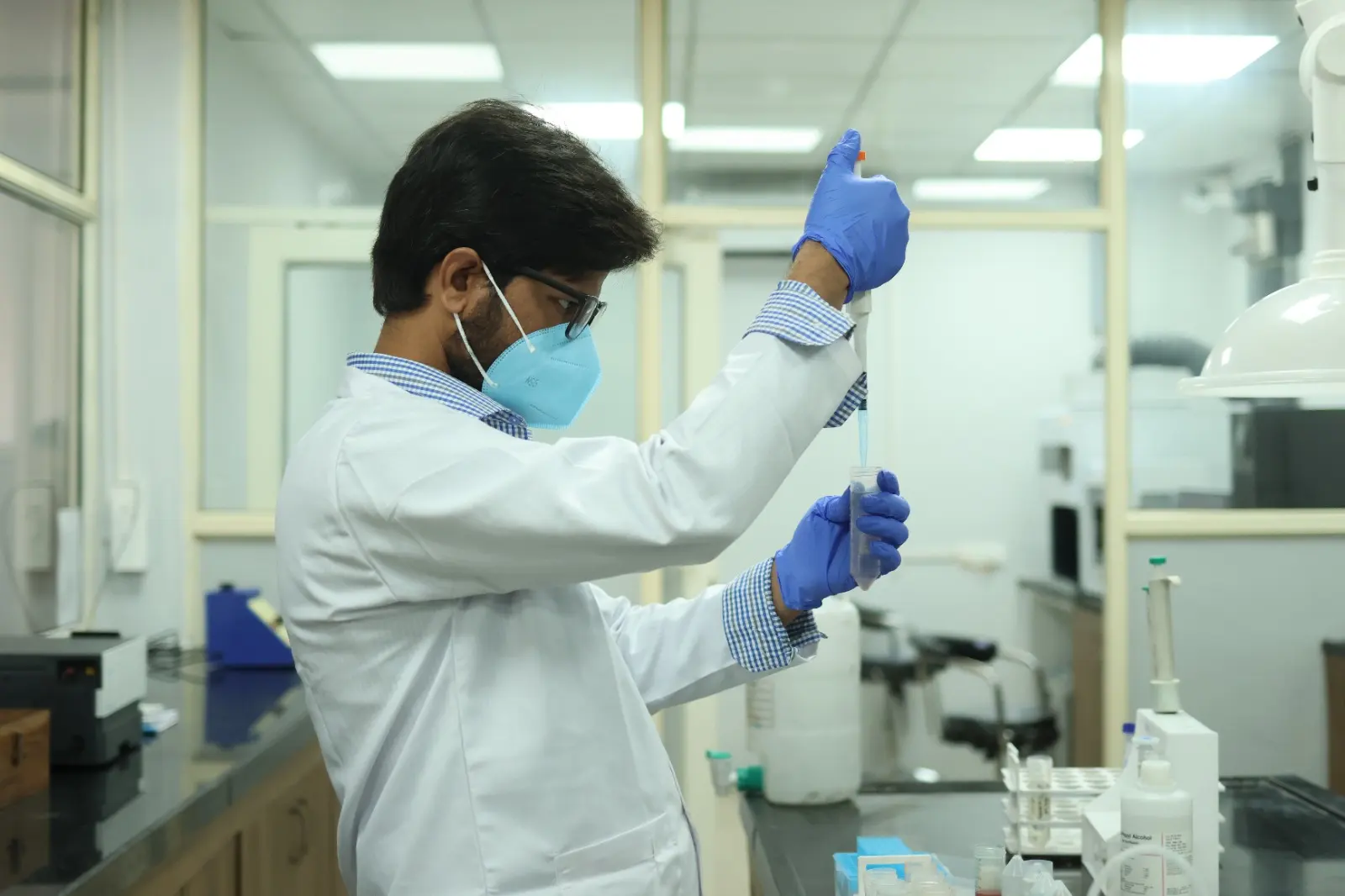
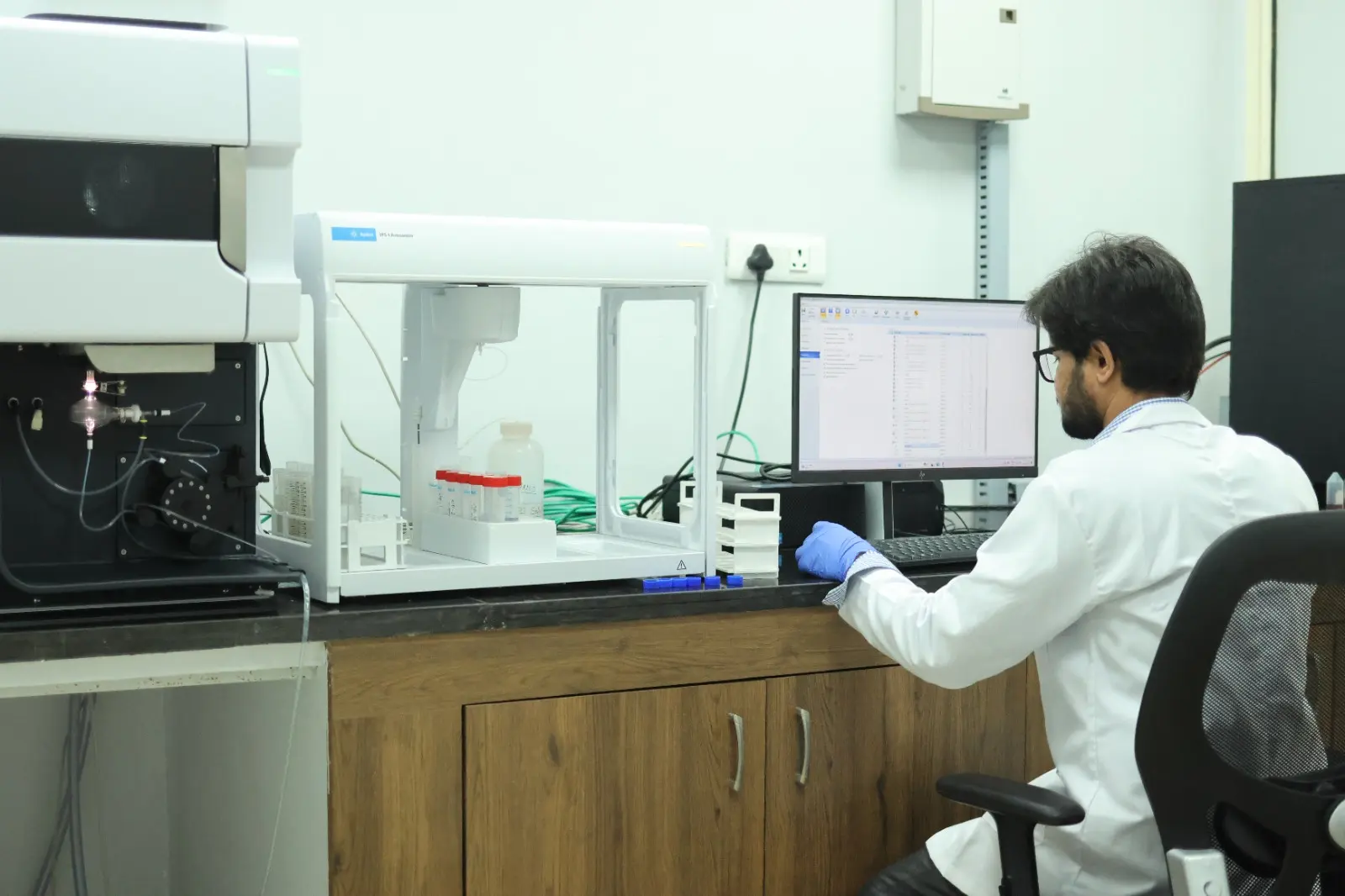
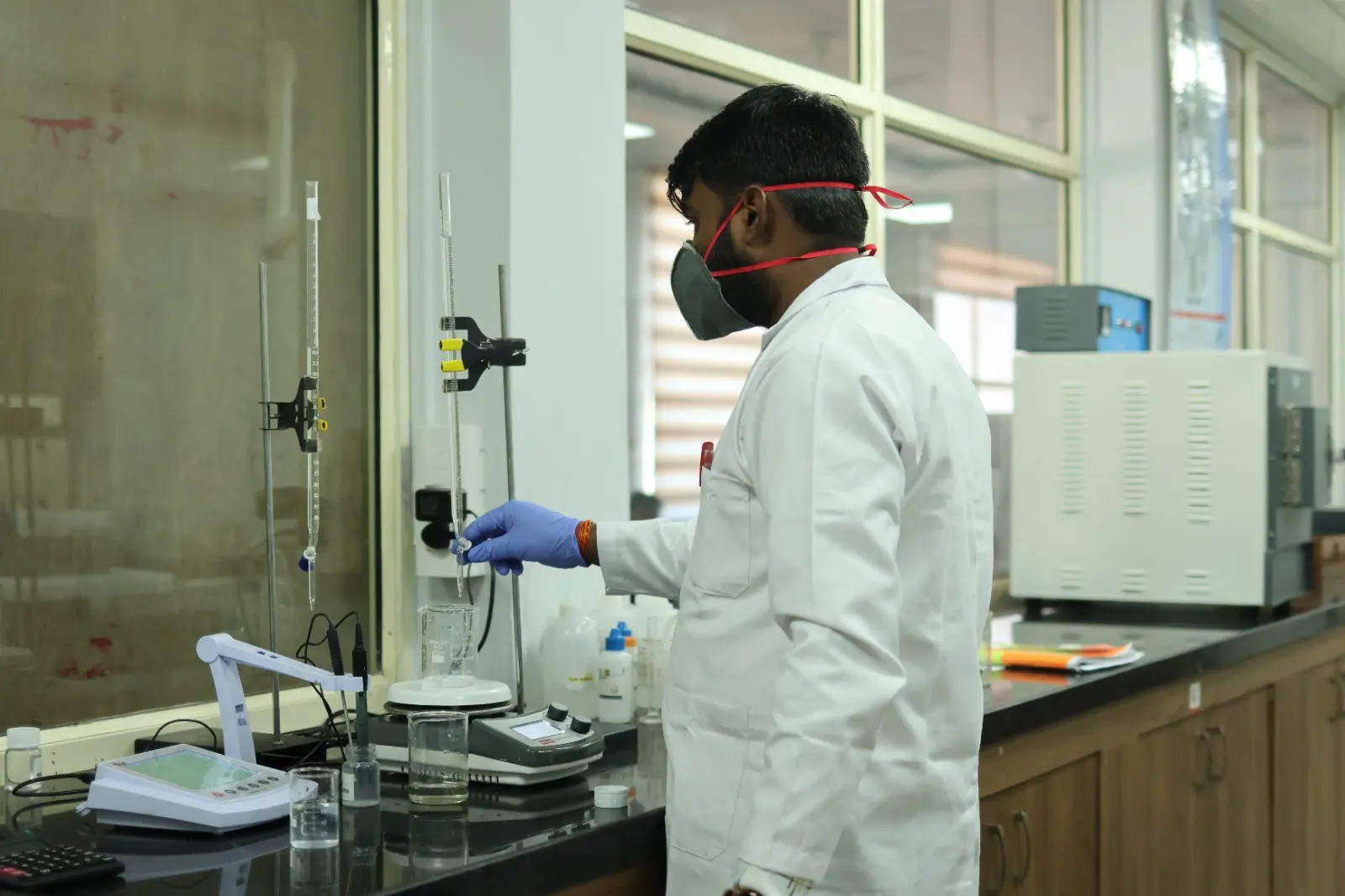
Characterisation and testing sit inside the ReBAT flow, at the ReBAT Hitech Lab, where each input is understood before it is routed onward.
Recycling
More efficient, more complete recovery.
Recovered materials
Materials fit for a new life in the supply chain.
Battery design
Better-informed application-specific batteries.
Process development
A recovery process that keeps improving.
New applications
Uses for recovered resources that do not exist yet.
Initiatives will be published here.
No R&D initiatives have been published yet. This space is reserved for them.
Have a technology or battery challenge worth exploring?
Let's talk.