Moving batteries back into the resource cycle.
We help businesses manage the movement of batteries and battery materials from collection through recovery.
Batteries sit across different locations, in different conditions, at different stages of life.
Their value is not recovered simply by collecting them.
They have to be identified, handled, moved and routed to the right next stage.
Anyone whose batteries eventually come back.
- 01Automotive OEMs and EV manufacturers
- 02Fleet operators
- 03Battery manufacturers
- 04Pack and system integrators
- 05Electronics manufacturers
- 06Energy storage and renewable energy companies
- 07Battery collection networks
From the collection centre onward.
Collection
Batteries and battery waste gathered from organised sources (OEMs) and unorganised ones, such as scrap dealers.
Aggregation
Material brought together at collection centres before it moves on.
Movement
Reverse logistics across the nation, into the ReBAT factory.
Storage
Handled and stored as part of the collection-to-treatment chain.
Assessment
Characterisation and testing at the ReBAT Hitech Lab decides what each input becomes.
Recovery routing
Each input directed to the pathway that suits it: recycling, or refurbishment.
Seven steps from source to recovery.
A way of reading the material flow, mapped to ReBAT's collection-centre-to-factory route.
- 01
Source
Where the batteries or material originate.
- 02
Collect
Gathered at a collection centre.
- 03
Assess
Identified and characterised.
- 04
Consolidate
Brought together into movable flows.
- 05
Move
Reverse logistics to the factory.
- 06
Receive
Received and logged at ReBAT.
- 07
Recover
Routed into recycling or refurbishment.
What each input becomes.
Your Scrap, Our Treasure.
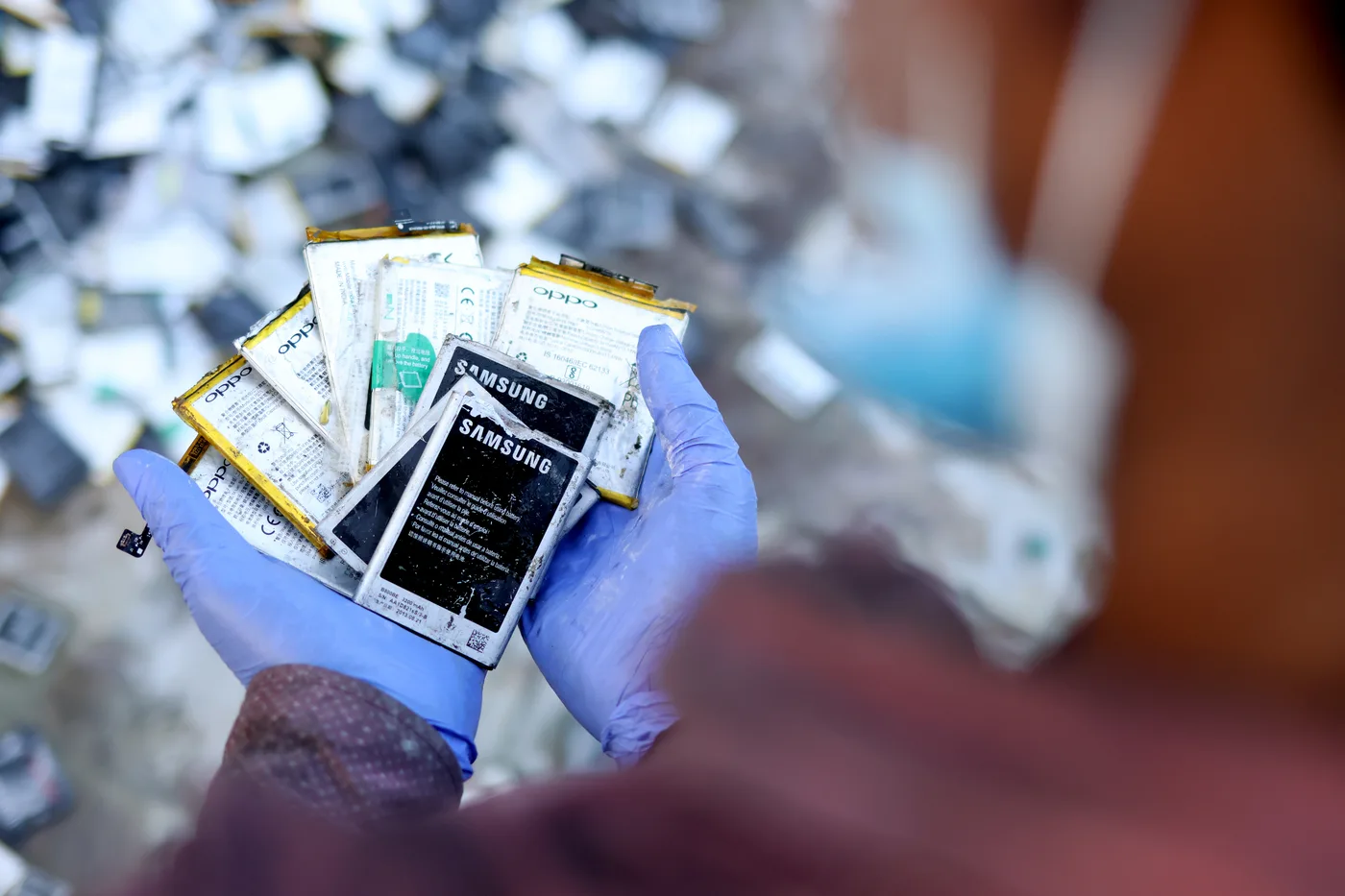
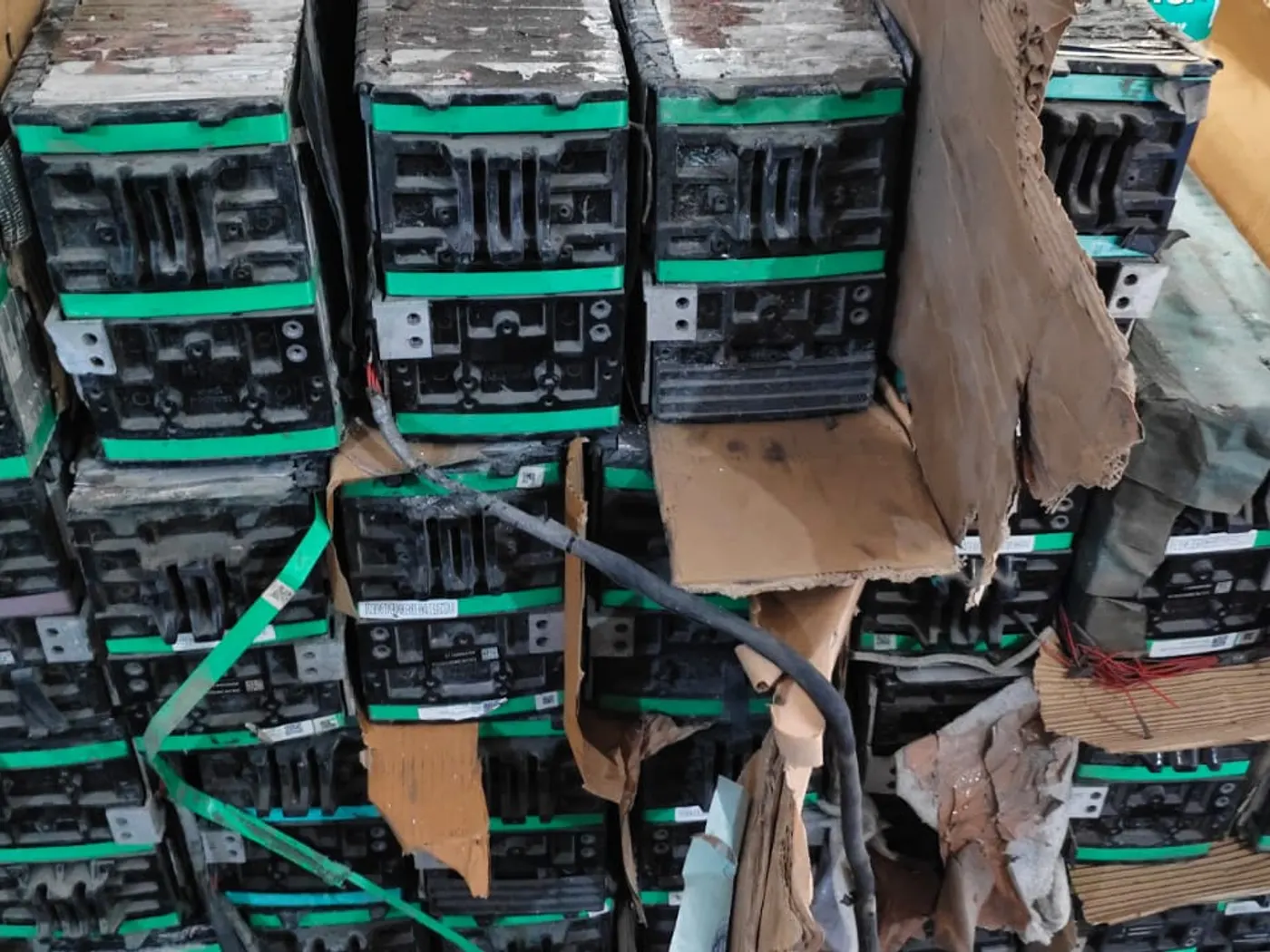
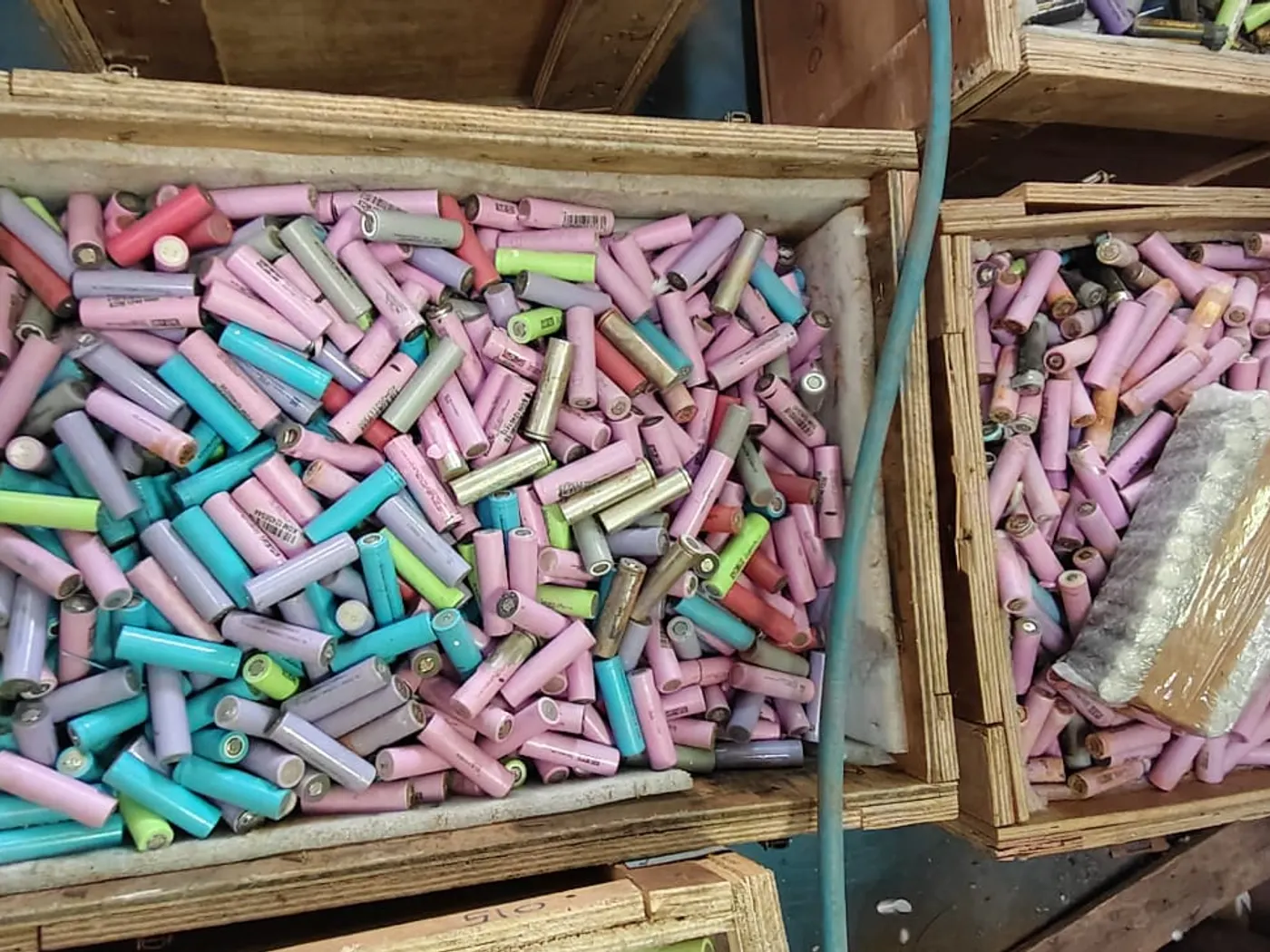
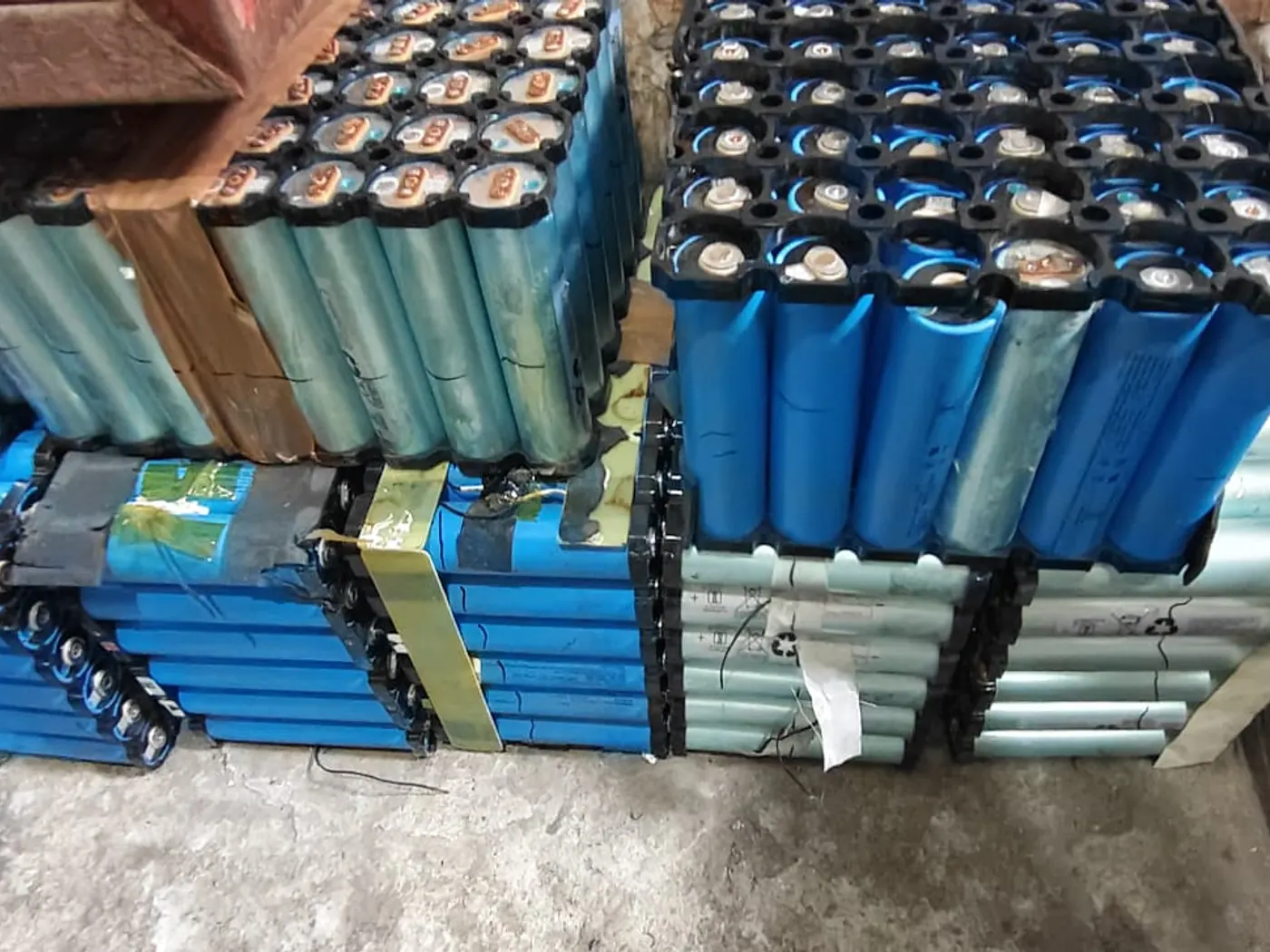
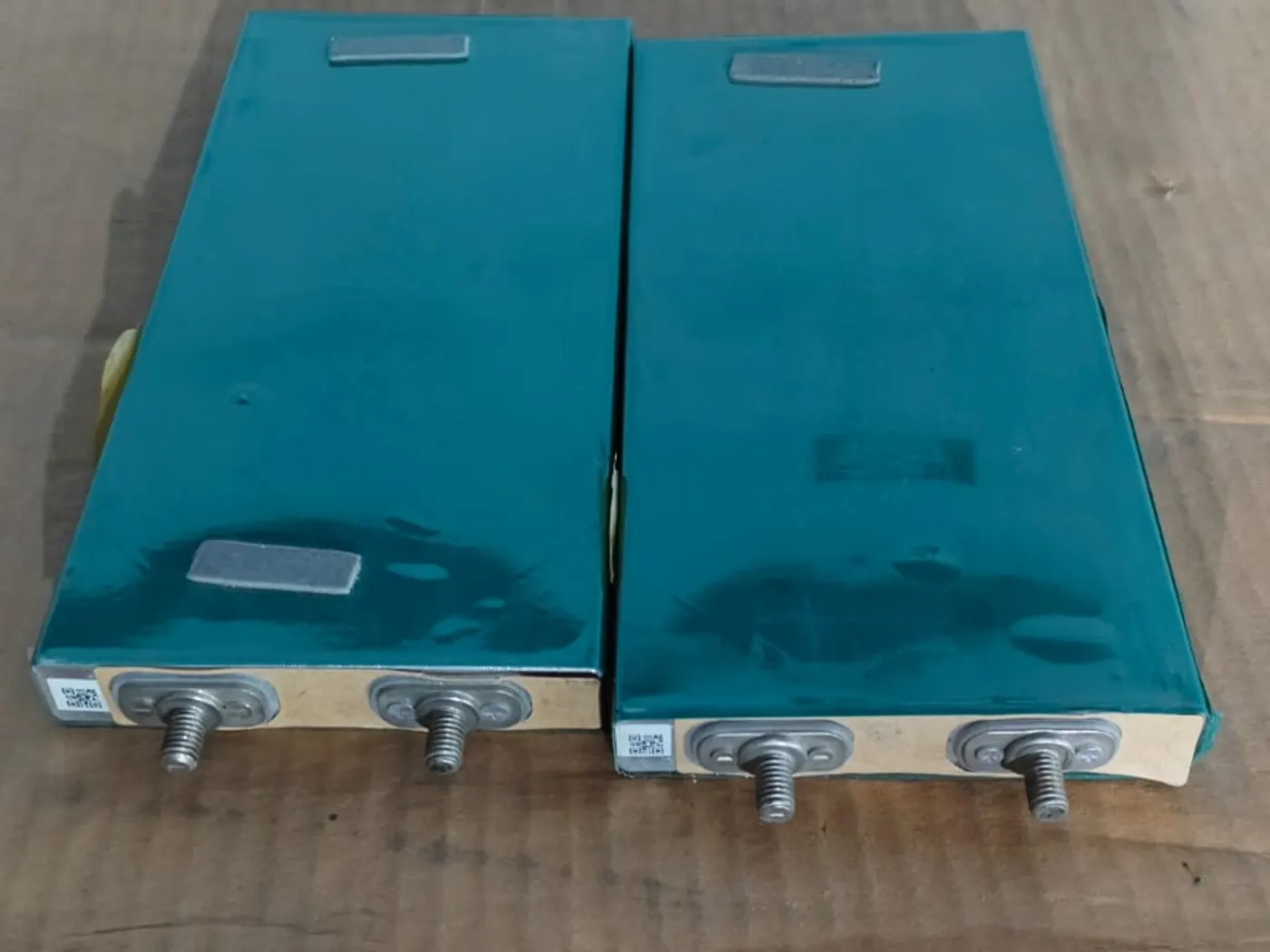
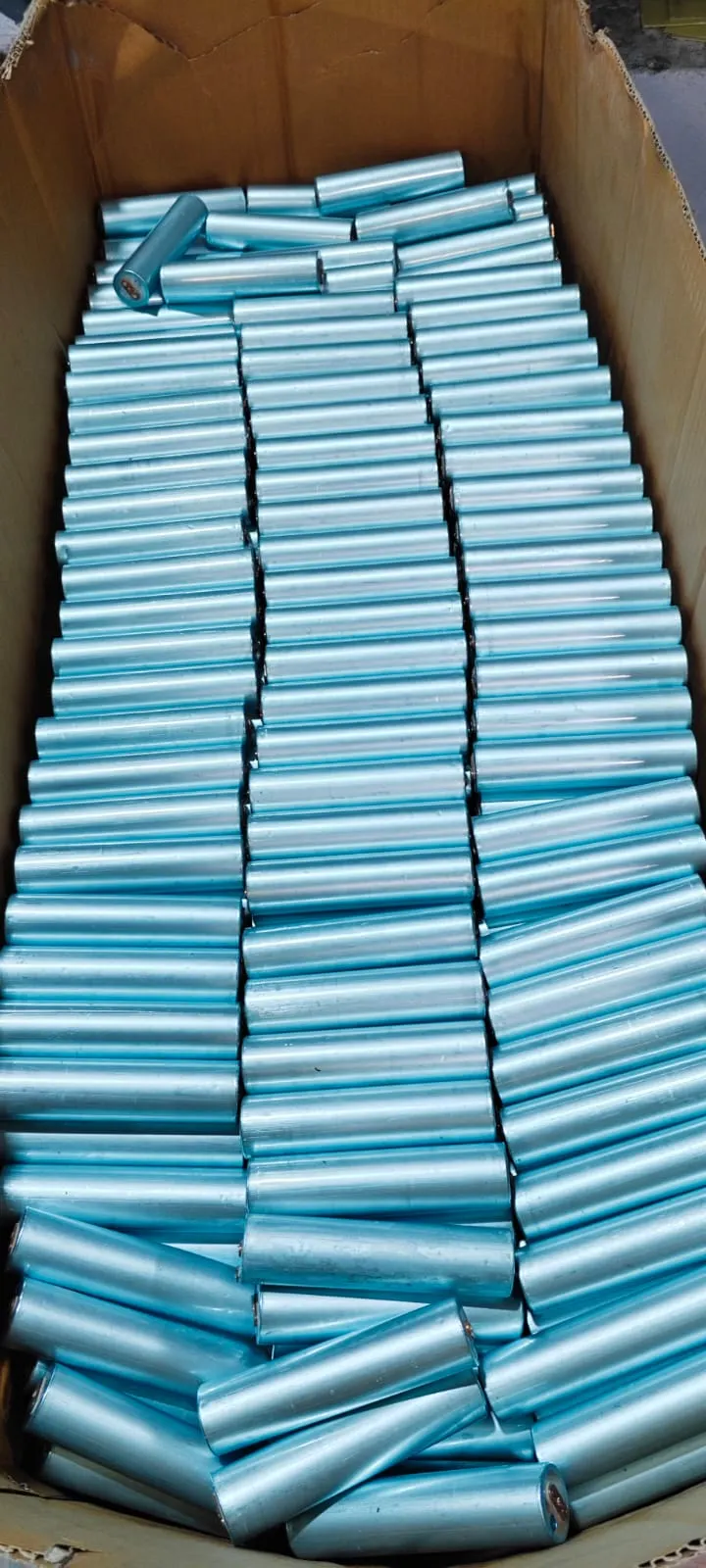
Cells, modules and packs in every condition, and small-format batteries by the floor-load. Photographed as received.

Knowing where material is, and where it went.
Visibility matters across the whole movement of battery material. It is what turns a collection into a recovery you can account for.
- Origin
- Movement
- Receipt
- Processing destination
- Recovery outcome
- Controlled movement
- Responsible handling
- Recovery
- Lifecycle visibility
- Resources kept in circulation
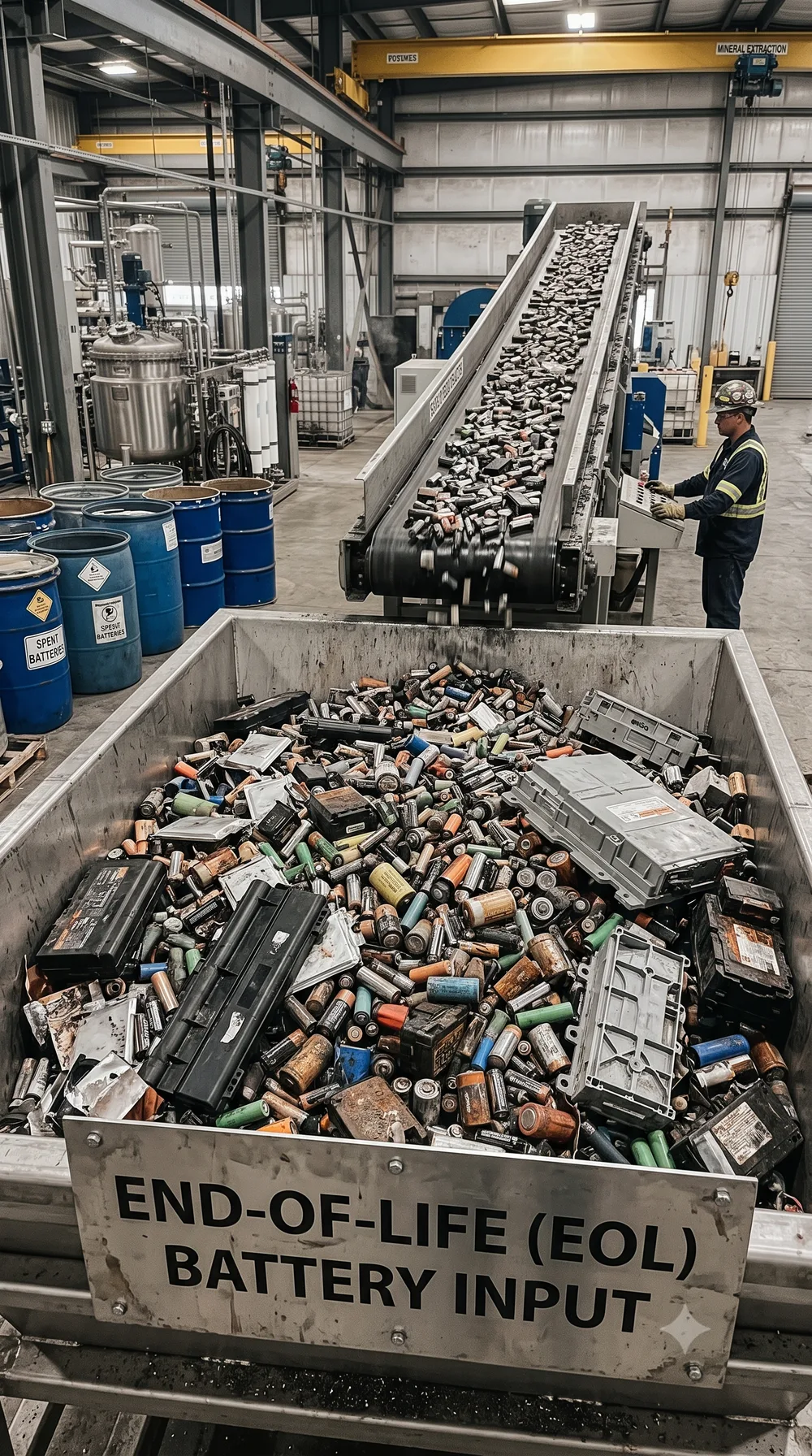
A reverse logistics network spanning India, so used batteries reach the recycling facility quickly and safely.
Move what still holds value.
Talk to ReBat about your battery material flow.