Engineering batteries for what comes next.
From battery architecture to application-specific systems, we develop solutions around how energy needs to perform.
A battery starts with what it needs to do.
Every application places different demands on its energy system. Battery design begins by understanding those requirements before defining the system around them.
- 01Energy
- 02Power
- 03Form
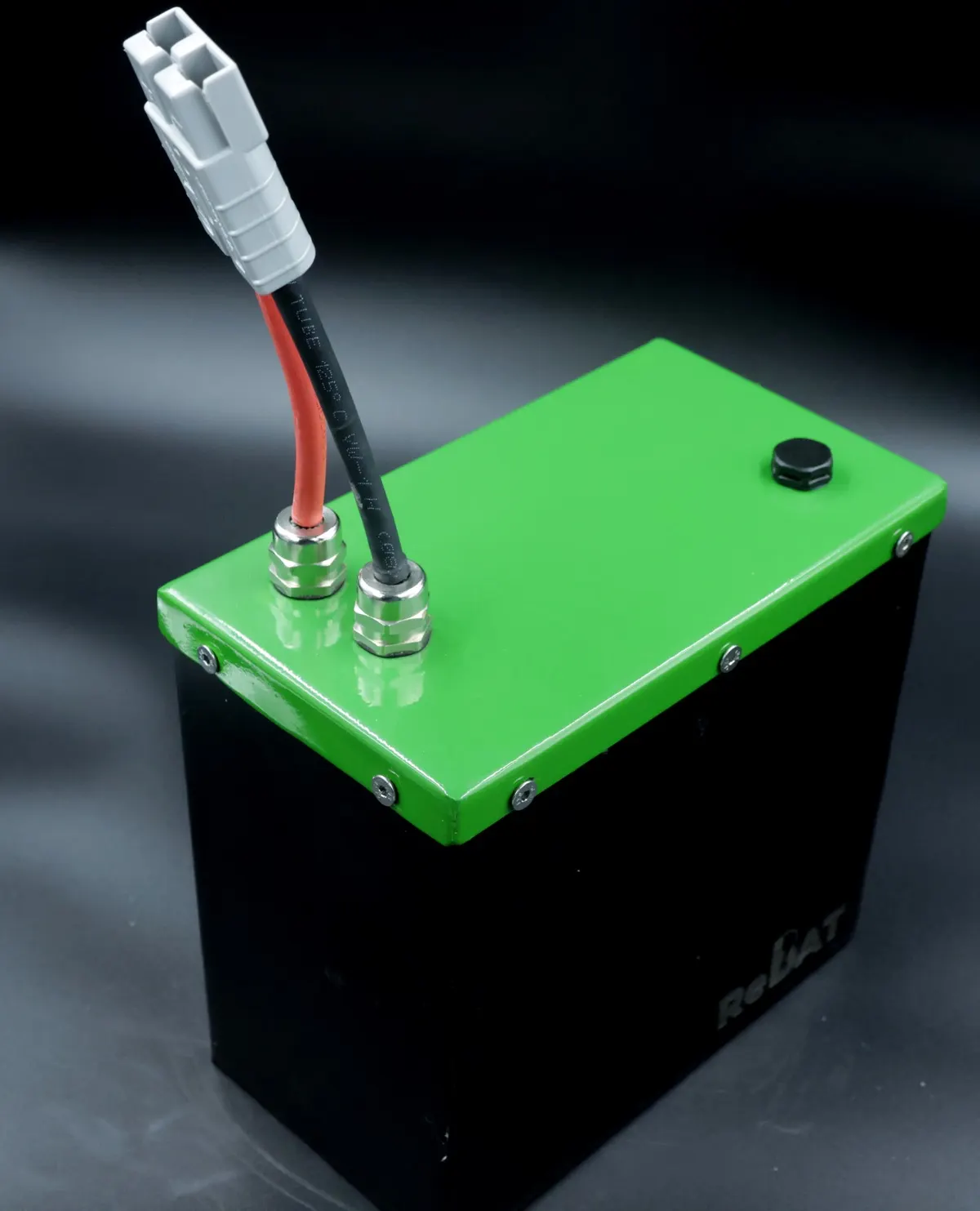
- 04Environment04
- 05Integration05
- 06Intended use06
Turning application requirements into a battery system.
The design process begins with understanding the application and progressively translating its requirements into a battery architecture.
High-level stages of the design approach, scoped to each application.
- 01
Understand
Application, operating conditions and energy requirements.
- 02
Define
Translate the application requirements into battery-level requirements.
- 03
Architect
Develop the battery configuration around those requirements.
- 04
Engineer
Develop the physical system around the intended application.
- 05
Evaluate
Assess the solution against the requirements it was designed around.
- 06
Refine
Iterate toward an application-ready solution.
From cells to a complete system.
A battery is more than its individual cells. Its architecture determines how those components come together to serve the application.
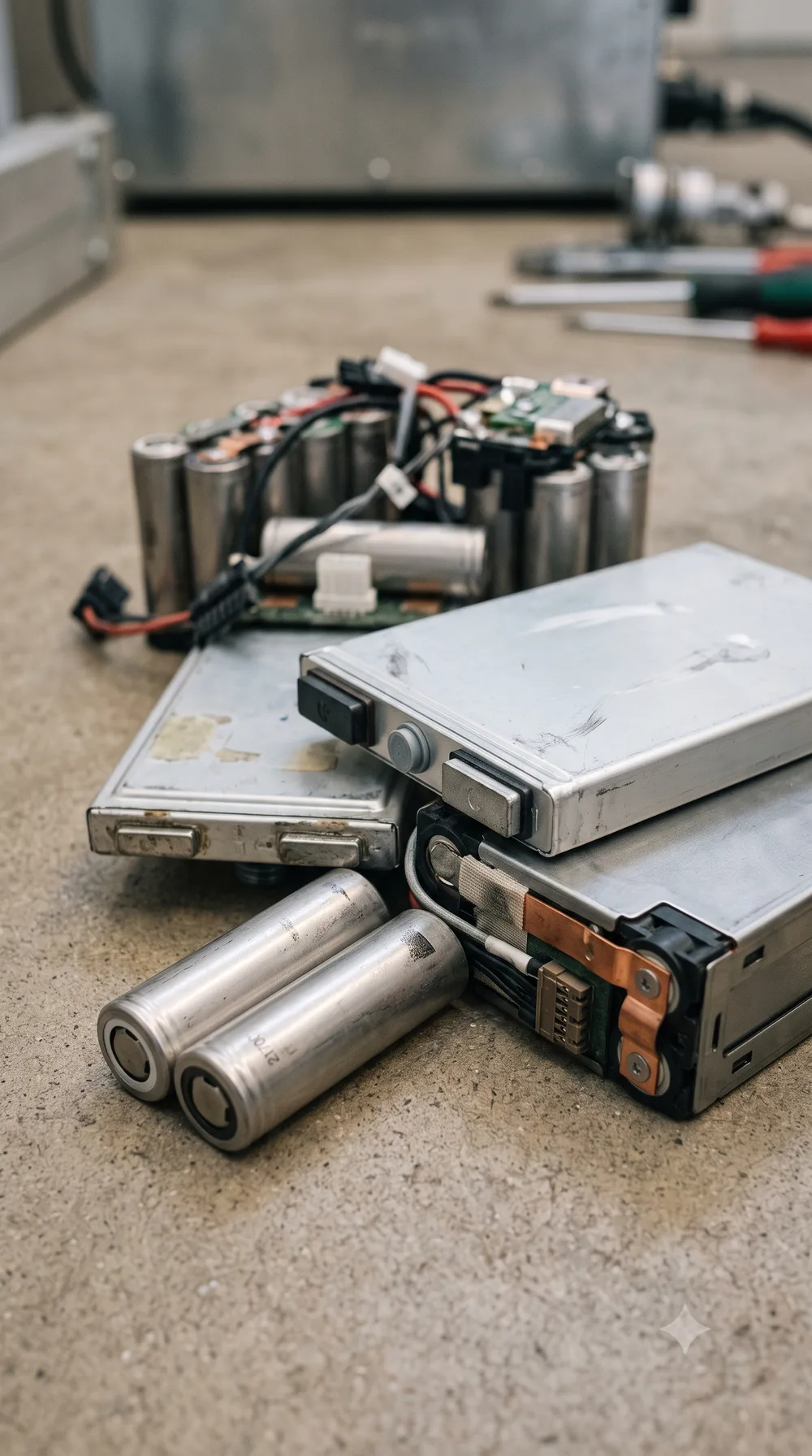 01
01Cell
The basic unit that stores energy.
- 02
Module
Cells grouped and connected together.
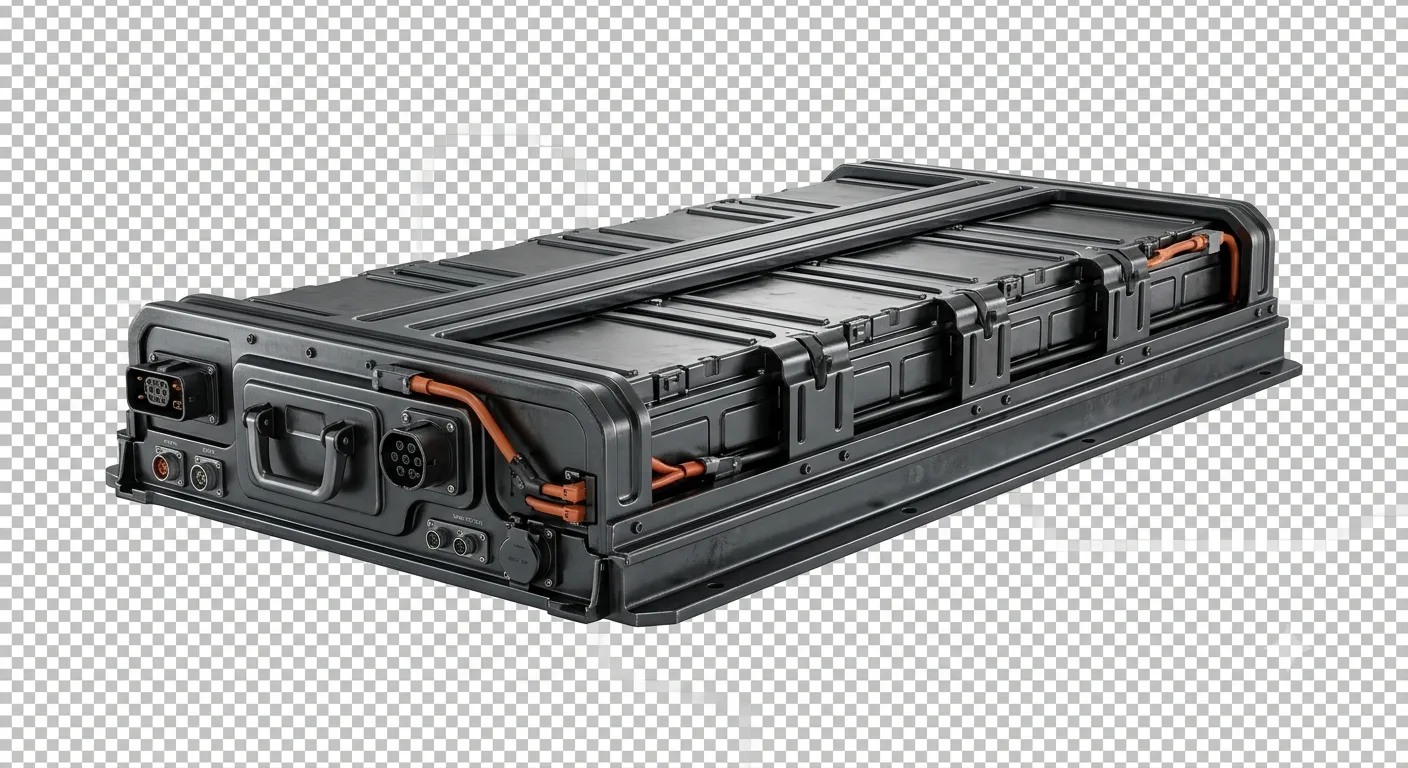 03
03Pack
Modules brought together as a complete battery.
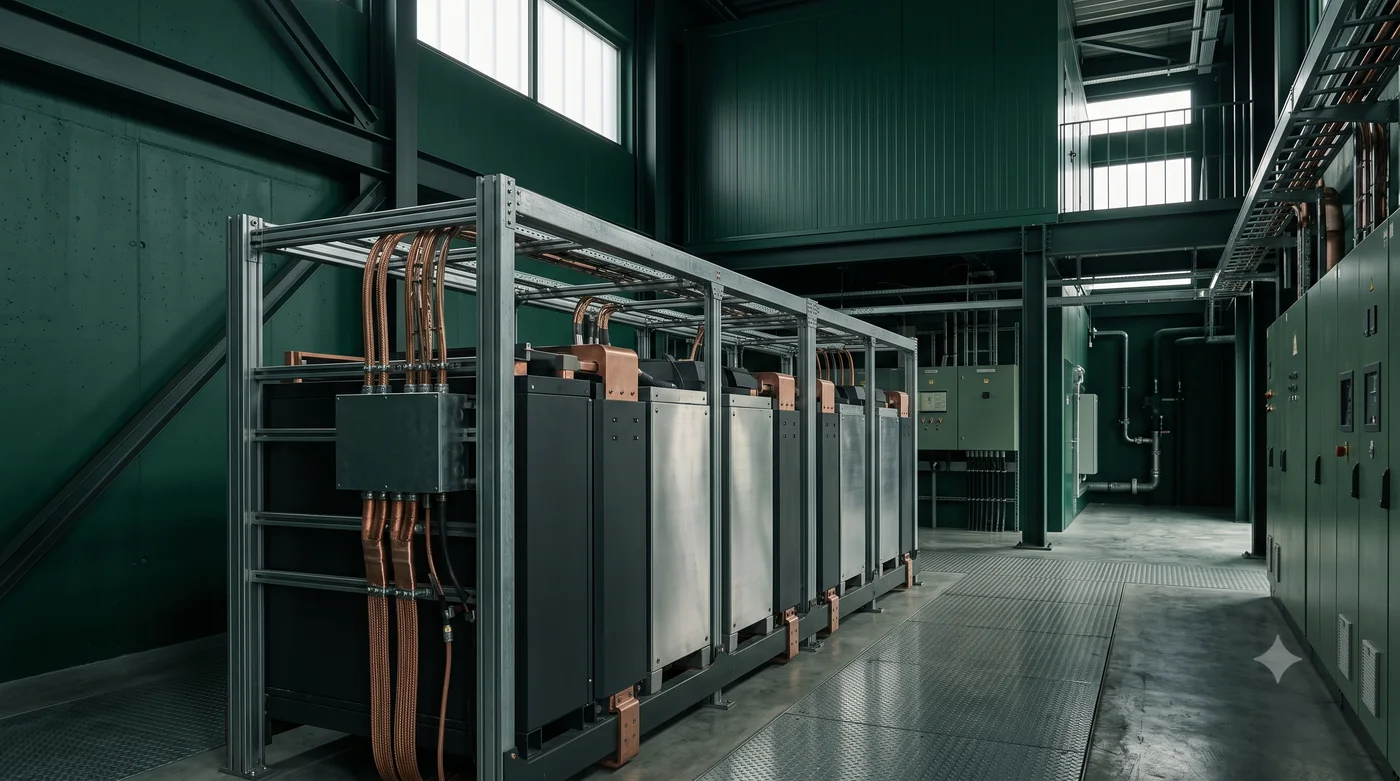 04
04Application
Where the battery does its work.
Designed around the way energy is used.
The right battery configuration depends on the environment, operating requirements and system it is designed to support.
- 01Energy
- How much energy does the application require?
- 02Power
- How does that energy need to be delivered?
- 03Form
- Where does the battery need to fit?
- 04Environment
- What conditions does it need to operate in?
- 05Integration
- How does it become part of the larger system?
- 06Application
- What is the battery ultimately being built to do?
One battery does not fit every application.
Battery architecture changes with the environment, operating requirements and system it is designed to support.
- 01
Solar Street Light
Every night, every season, no site visits.
- 12.8V 30Ah · 0.38 kWh
- 02
EV 2W Low Speed
A 60V pack for low-speed electric two-wheelers.
- 60V 30Ah · 1.80 kWh
Where energy becomes an engineered system.
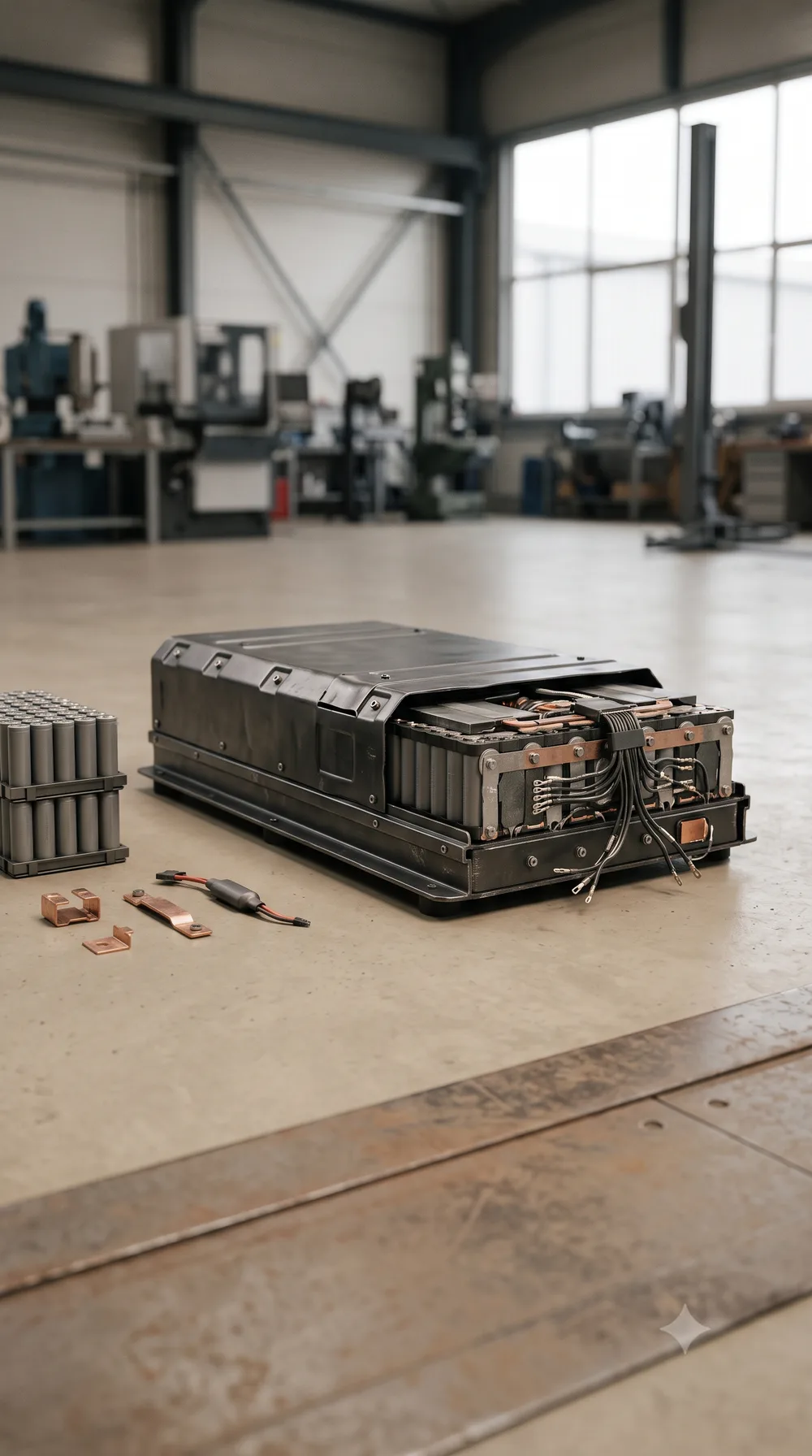
- 01
Enclosure
The housing that holds the pack together.
- 02
Cell stack and busbars
Cells arranged and joined by copper conductors.
- 03
Wiring and connections
How the pack is connected onward.
BMS and communications
Every BMS protection and every pack is verified before dispatch.
Designed to meet the application.
Engineering is only useful when the resulting system meets the requirements it was designed around.
- 01Requirement
- 02Design
- 03Evaluation
- 04Refinement
- 05Solution
Evaluation feeds back into design until the solution meets the requirement.
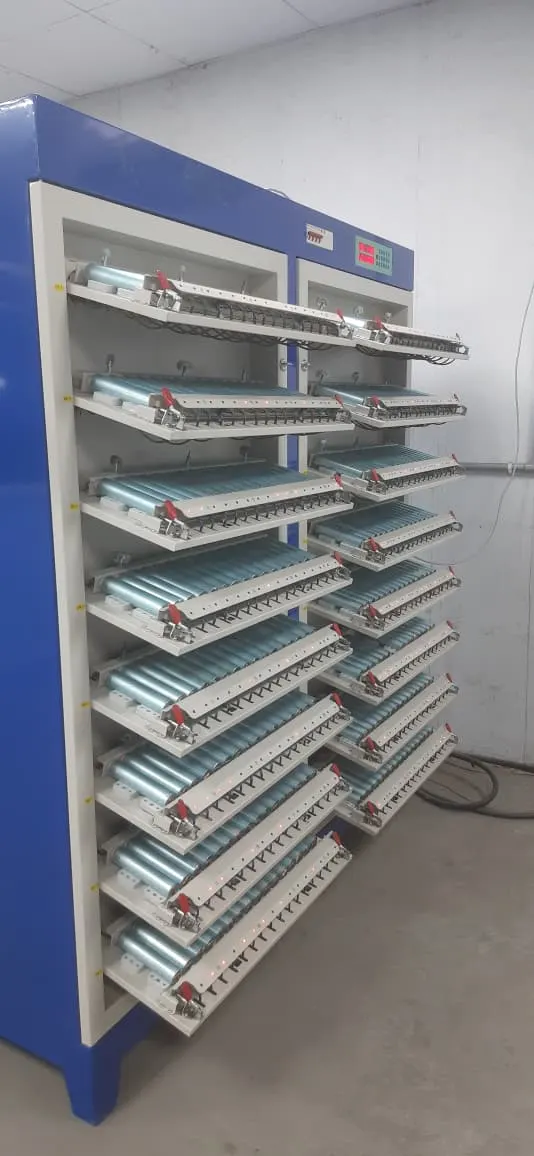
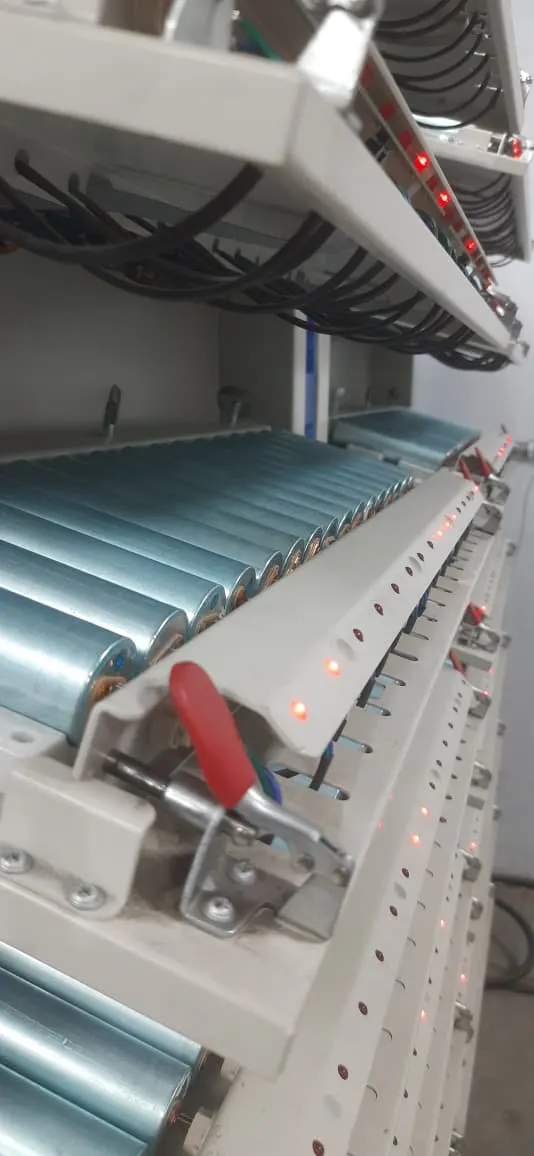
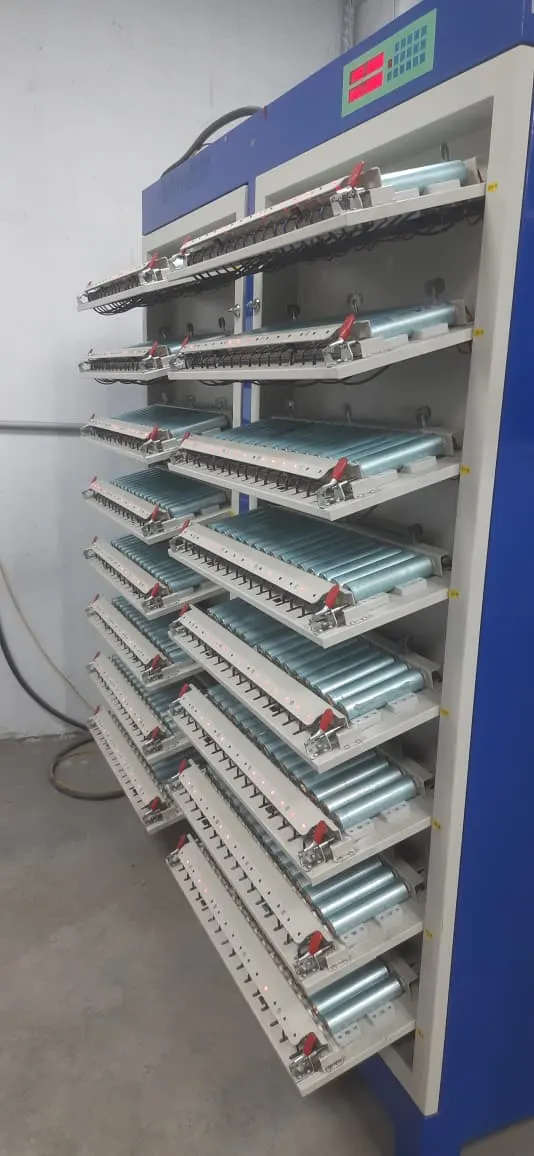
Every cell tested. Every pack proven.
A battery is only as good as its weakest cell. That's why we test every cell before it enters production, check quality at every stage of assembly, age every pack, and run a final end-of-line test on the BMS and battery before it leaves our factory. Nothing ships on trust, only on test results.
- 01
Cell IQC
Every incoming cell is tested before it enters production.
- Open circuit voltage (OCV)
- Internal resistance (IR)
- Capacity
- Self-discharge
- 02
In-process QC
Quality checks at every stage of assembly, not just at the end.
- Cell grading and matching
- Check at each build stage
- Stage sign-off before moving on
- 03
Aging test
Packs are held and cycled to catch early failures before dispatch.
- Charge-discharge cycling
- Voltage stability check
- Weak packs rejected
- 04
EOL test
Final end-of-line test on BMS and battery before it ships.
- BMS protection and function
- Communication (CAN/UART)
- Full pack performance
What each test means for you
- OCV and IR check
- Only healthy, matched cells go into a pack, so every cell works evenly and the pack lasts longer.
- Capacity test
- The Ah on the label is the Ah you get.
- Self-discharge test
- Weak cells are removed, so the battery holds charge in storage and on the pole.
- Aging test
- Early failures happen in our factory, not in your field, vehicle or home.
- EOL test
- Every BMS protection and every pack is verified before dispatch.
- 100% cell testing (OCV, IR, Capacity, Self-discharge)
- QC at every stage
- Aging tested
- EOL tested
Designed within a larger battery ecosystem.
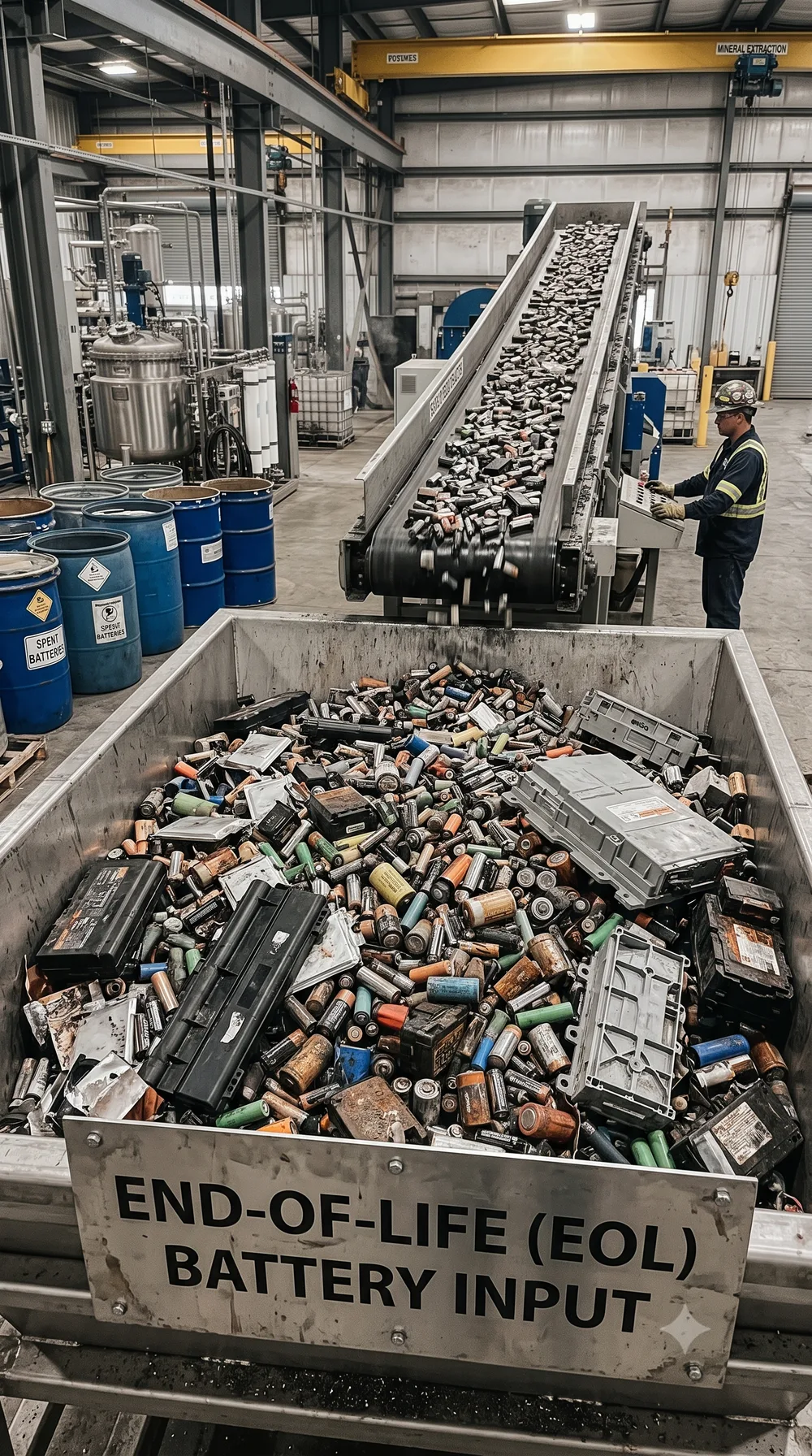
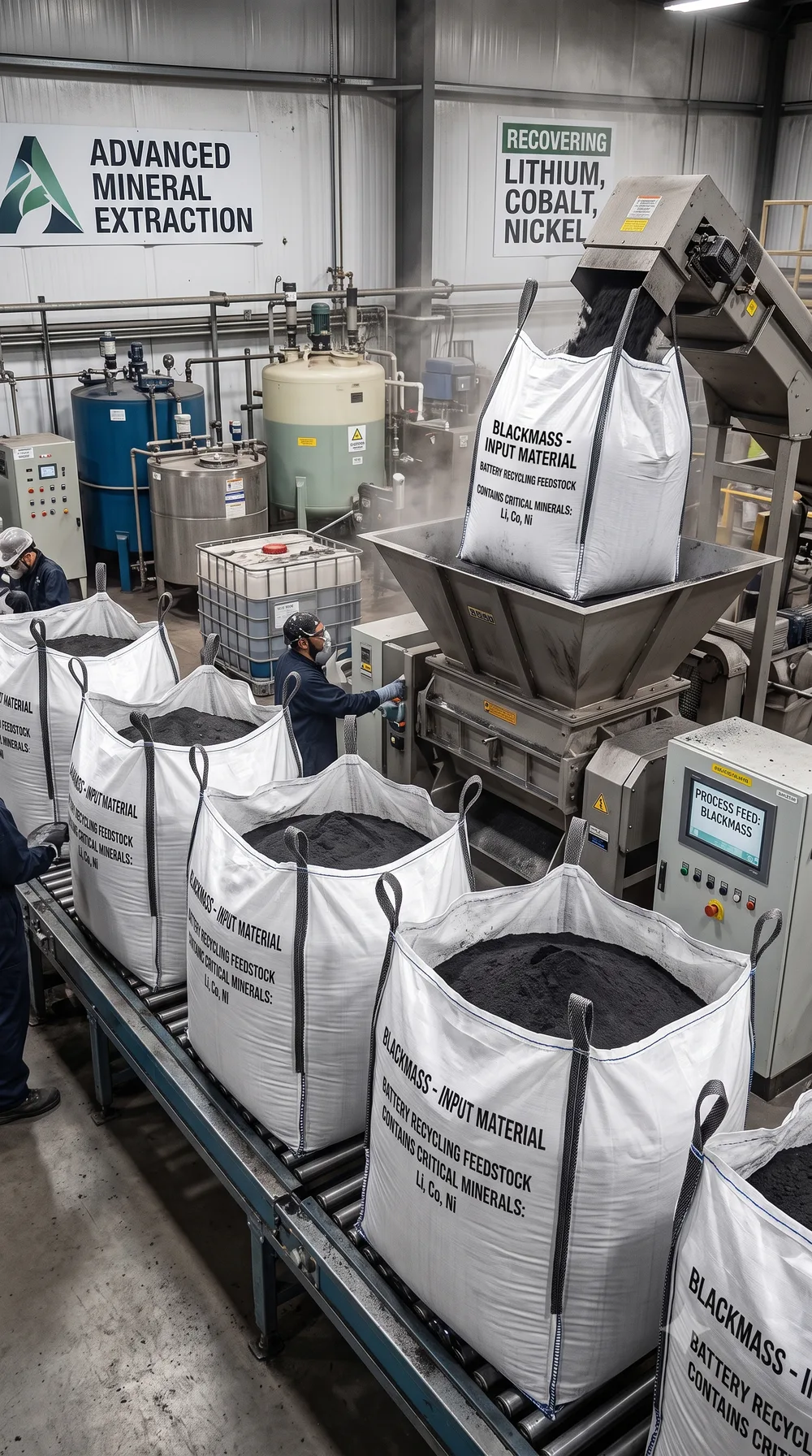
The battery lifecycle does not end when a battery is designed or deployed. What is designed today can shape what happens to the battery tomorrow.
- Battery design (this page)Solution
- UseProducts: Battery packs
- Collection
- Reverse logisticsSolution
- Recovery
- MaterialsProducts: Recovered materials
- R&DSolution
- Next application

Have an application in mind?
Tell us what you need to power. We'll explore the right battery solution with you.